Details
Joola Samba – The timeless classic for spin, control, and feel
The Joola Samba is one of the most well-known and popular table tennis rubbers of the past decades – and not without reason. As a true classic, it impresses with an exceptionally soft playing feel, high control, and excellent spin values. Especially among beginners, all-round players, and lovers of a sensitive playing style, the rubber is still in high demand today. Once a legend in the era of speed glue, the Samba is also a versatile partner in the modern game for players who rely on precision and safety. This product description is based on a detailed test report by our partner and table tennis expert Marcel Arnold from TT-Spin.de.
With its soft sponge (38°) and the elastic, sensitive top sheet, this rubber offers a particularly forgiving playing style. Whether learning the basic techniques or in balanced all-round play – a secure ball feel in every situation is guaranteed. Especially backhand players benefit from the controlled character: passive blocks, counter balls, and short returns succeed reliably without the ball bouncing uncontrollably. Thanks to the soft, fine-pored sponge structure, the ball penetrates the rubber only moderately. This results in a controlled impact behavior with rather low catapult – perfect for players who prefer to act with a lot of feel rather than raw speed. Despite the overall rather slow pace, the Samba still develops an amazingly good spin, especially with topspins on backspin or when flipping with rotation.
The Samba by Joola - Further features in detail
One of the greatest advantages of the Samba is, of course, its versatility. Players who rely on a secure, placement-strong game will find a reliable partner in this rubber. Whether in backspin pushes, short-short play at the table, or in balloon defense – control is always maintained. The flip over the table also benefits from the high ball feel and the spin-friendly surface. In blocking play, the Samba shines with its insensitivity to spin and precision. Even with unexpected spin changes, the rubber remains stable and easy to control. Although the rubber lacks some penetrating power in hard shots from mid-distance, it convinces all the more in direct ball reception and active play over the table, always with a lot of feel and control.
Those who play this rubber on a fast blade can make better use of the (admittedly limited) offensive component. Although the ball trajectory remains relatively flat and the catapult low, the Samba is excellently suited for targeted, sensitive attacking shots and securely placed spins. This rubber is more than just a table tennis rubber – it is a piece of table tennis history. In the times of speed glue, the so-called “Samba sound” could be heard in almost every hall. Many players still swear by the unmistakable playing feel of the original. Even though numerous successors like the Samba Plus or -Tech are now on the market, the classic model remains the benchmark for many in terms of ball feel and control.
Manufactured in Japan and available in several sponge thicknesses (1.8 mm, 2.0 mm, and max.), the rubber adapts optimally to different playing styles. Especially for beginners, secure backhand players, and all-rounders who focus on precise placement and technical play, the Samba is an excellent choice.
Conclusion on Joola Samba and further links
The Joola Samba is ideal for players who appreciate a soft impact behavior, excellent control, and solid spin values. As a classic all-round rubber, it is perfect for technical play, secure blocks, and sensitive spins. Even today, in the era of modern rubbers, the Samba remains a worthwhile choice – especially for beginners, returnees, or players focusing on precision and safety (all-round playing style). This rubber has character, has written and continues to write history, and shines with proven quality. A classic that has not lost any of its charm even without speed glue – and that at a relatively fair price.
Not enough rubbers yet? Then there are here more Joola rubbers and here rubbers of all kinds.
Additional Information
| Brand | Joola |
|---|---|
| delivery time | Ready for immediate dispatch + parcel delivery time |
| Colors | black, red |
| Country of manufacture | Japan |
| GPSR | No |
Shipping & Delivery
Discount System
Check items to add to the cart or select all


You may also be interested in the following product(s)
-
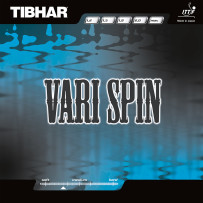
TIBHAR VARI SPIN - Our recommendation for the ALLROUND type
Incl. TaxAs low as: €36.90
-

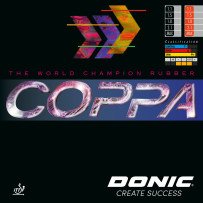
Donic Coppa - Table tennis rubber for the Allrounder
Incl. TaxAs low as: €27.90
-
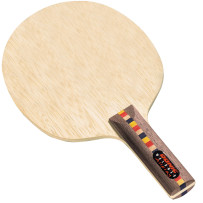
Donic Waldner Allplay - Table Tennis Blade
Incl. TaxAs low as: €29.90